
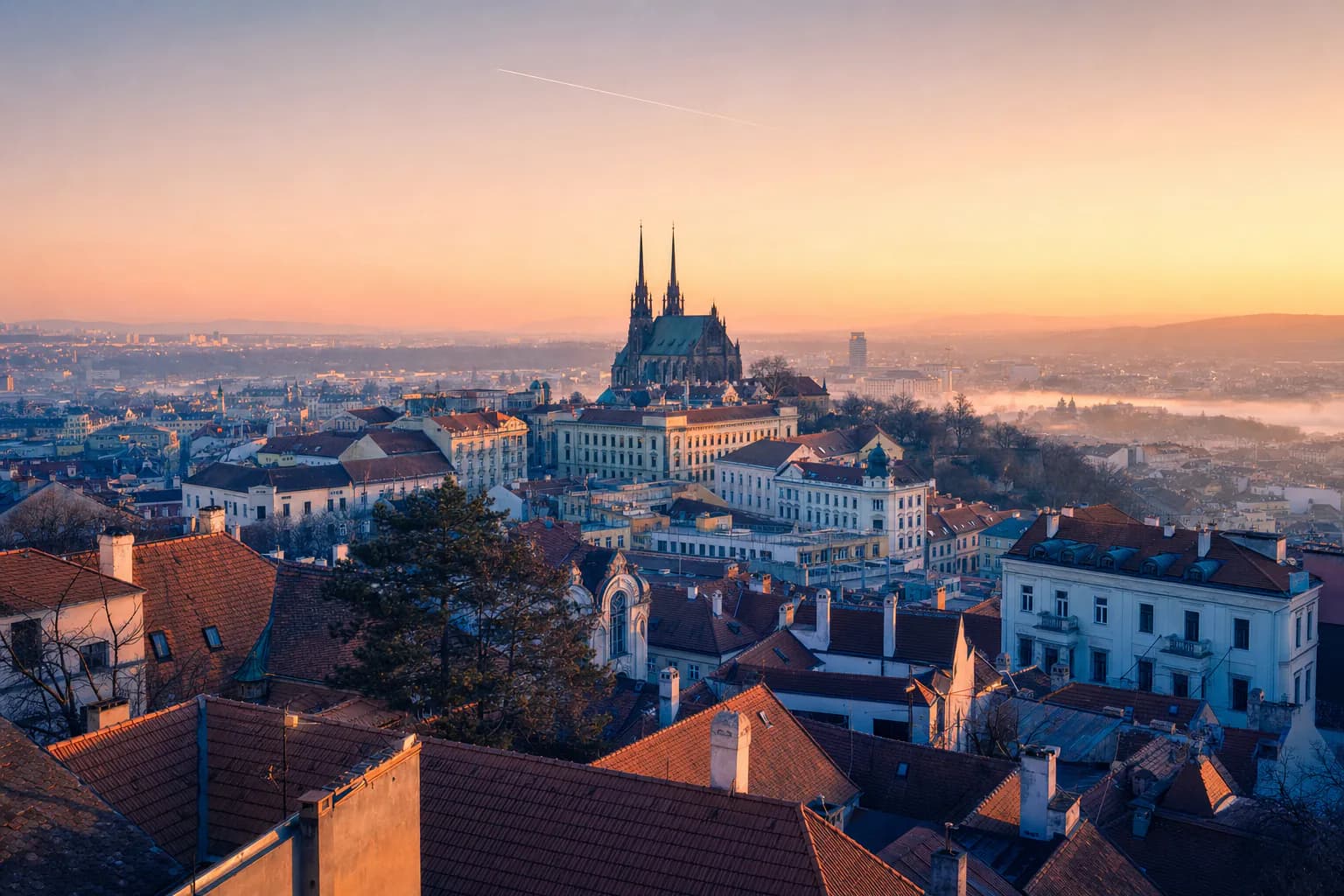
The portal is six departments coordinated through one form. The mental model below is what we built it for — share it inside your federation whether you end up using us or not.
The portal is six departments coordinated through one form. The mental model below is what we built it for — share it inside your federation whether you end up using us or not.
The six departments that don't talk to each other
Every international tournament needs the same six functions running in parallel. They almost never talk in real time:
- Travel intake — the federation's contact form for arrivals, departures, accompanying staff, accreditation tiers.
- Transport — airport pickups, return transfers, the hotel ↔ arena shuttle line, manifest by vehicle and driver.
- Accommodation — rooming list, single/double counts, dietary flags, late check-outs, room blocks at partner hotels.
- Tickets & accreditation — lanyards by role, tier upgrades, day-pass vs tournament-pass allocations, VIP lounge entry.
- Media & press — match recording requests, live stat feeds, highlight cuts, mixed-zone scheduling, embargo controls.
- Accounting — quotes, invoices, payments, VAT — everything that has to reconcile with finance after the event.
By the time a delegation arrives, those six functions need to converge in one driver, in one hotel room, in one mixed-zone slot. That convergence is what fails when each department lives in its own inbox.
What “one portal” actually means
A single intake form pre-fills five of the six departments. Transport, hotel, tickets, media, accounting each see only their slice. The federation submits once; six dashboards light up.
- From form to confirmation: under 24 hours, typical.
- Departments notified: 6, in parallel.
- Forwarded emails: 0 — every status update happens inside one thread.
A day in the operator's chair (typical pilot scenario)
The walkthrough below is the pattern the portal is built around — not a recording of a specific delegation's morning. Times, roles and the airport-to-arena flow describe how the host operations stack is intended to behave during the Brno 2026 pilot.
Early morning — a delegation arrives at Brno–Tuřany on a scheduled connection. As their passports clear, the portal pings the airport manifest and the assigned driver is already in the pickup lot with a blank board carrying only the booking colour from the confirmation email.
On the back seat: a sealed envelope. Lanyards, printed itinerary, a local SIM and water — everything the delegation would otherwise have to ask for at three separate desks.
At the partner hotel the front desk has the early check-in pre-flagged. Room category is matched to role (head coach, scout, medical, media) by the rooming-list editor, and any dietary or late check-out flags are already on the housekeeping note.
By tip-off at Hala Vodova the delegation is in the seats assigned to their accreditation tier. They didn't chase a driver, didn't argue an accreditation level, didn't explain anything twice.
What it costs
During the pilot, the portal is free for visiting federation staff — funded by the host federation as part of the Brno 2026 services. Visiting staff (scouts, press, officials) remain free in perpetuity; the long-term commercial model is being worked out alongside the pilot federations and will be published before any change of terms.
Indicative pricing for transport, hotels, tickets and media services sits on the pricing page. Hotels are listed on the accommodation page.
How to start
One click. Continue with Google, we verify your federation in one business day, and the portal is open. No long form before the verify — we pre-fill everything we can from FIBA's federation register.